

Want to know more?
Are you interested in this project? Or do you have one just like it? Get in touch. We’d love to tell you more about it.


His Majesty’s Passport Office (HMPO) has created a ‘digital-by-default’ system for processing passport applications, moving away from a paper-based system to improve product delivery for customers. The work completes a Digital Application Processing (DAP) programme that has won multiple awards since its inception, creating a highly effective system that can process even the most complex of applications online and at speed.
The transformation sees a complete uncoupling from the legacy system; all passport applications are now processed via the new platform, removing the need for manual processing. The final stages of the work were not without challenges, but HMPO (in partnership with Equal Experts) has demonstrated the ability to work laterally across all departments to create a product-centred approach that prioritises user experience and is truly digital by default.

online applications per year
working days are saved per year
of applications are now processed digitally via the DAP system
HMPO stands for His Majesty’s Passport Office, a government agency responsible for issuing passports to British citizens and overseeing civil registration services in England and Wales. Operating under the Home Office, HMPO manages passport applications and the registration of births, deaths, and marriages. The organisation employs over 4,000 staff across eight regional offices and processes more than seven million passport applications each year.



How do you transform a government agency, and digitise a critical national system used by millions of people? And once your transformation is 90% complete, how do you tie up the loose ends to completely deprecate your legacy system?
By the end of 2024 most of HMPO’s work was digital by default. However some complex applications were ‘stuck’ in the legacy platform, meaning they had to be migrated into DAP before the legacy system could be switched off. The goal was to bring the number to zero and ensure that DAP was equipped to handle every possible application.
There was also a challenge for operational staff who needed to adapt their familiar working patterns to fit the digital first approach without the comfort of falling back into old ways of working. To reach the finish line, the team knew they would need to ensure that the new DAP platform was intuitive, so that everyone could be confident that it met their needs.
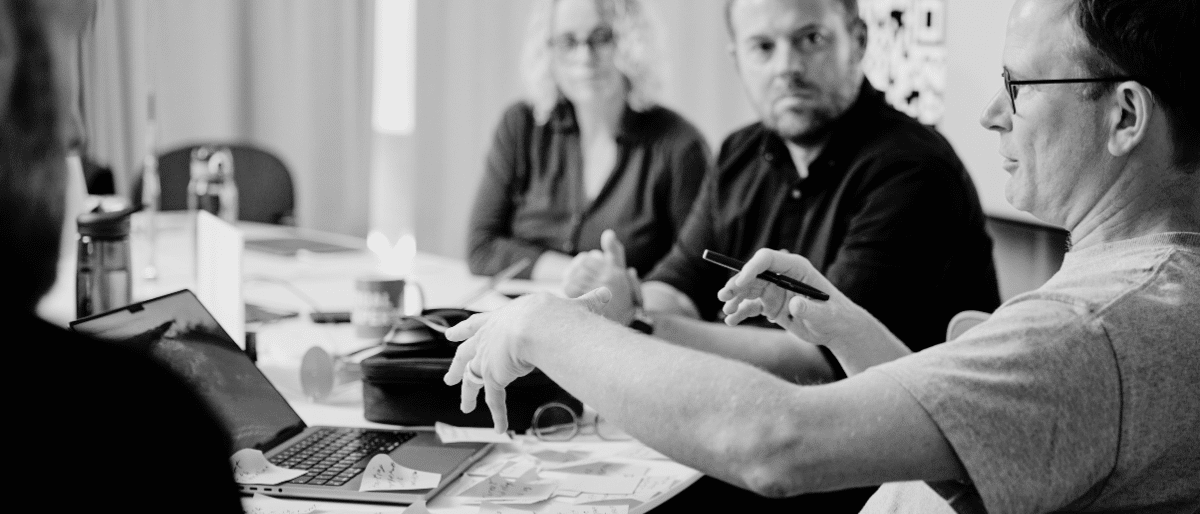
Equal Experts’ consultants worked with civil servant engineers to provide operational support across every department, to make sure the new platform was user-friendly, and to help build confidence.
Smart solutions to complex problems
Rather than manually moving complex applications over to DAP, or writing elaborate code that would only ever be run once we took a combined approach, with teams of experts with different skillsets collaborating to find the most efficient approach. This helped us swiftly migrate even the most complicated applications into DAP and had the side benefit of engineers and operations staff learning more about each other’s priorities and ways of working, strengthening our legacy of long-term collaboration across disciplines.
Avoiding burnout
As the finish line for the work loomed closer, we took steps to ensure no one was overwhelmed by the volume of tasks. Overtime was never required, but those who volunteered to do extra hours were well-compensated. This kept team morale high, and meant we could all get to the finish together.
Identifying the finish line
With such a fundamental transformation, we wanted to be transparent and intentional about what the end of the programme would look like. We invited external civil service experts to confirm the definition of ‘digital transformation complete’ and remove subjectivity about what could safely be built later on vs what was a must-have for digital ways of working.
Getting to know DAP
Big changes always bring apprehension, so we knew it was important to support HMPO teams to gain familiarity and confidence with the new platform. Throughout the transformation programme we collaborated across different disciplines. Initially, the focus of the collaboration was to ensure that we focussed on user needs. Later on in the programme the focus switched to promoting the value of the switch to a digital first approach, with emphasis on improved flexibility, improved prioritisation of tasks and the ability to accommodate spikes in demand.. This careful implementation and phasing out of the legacy platform meant that the transition could happen with limited disruption.
HMPO’s new passport application platform now operates with a product mindset, with 100% of passports processed digitally. As users gain confidence, the team is focusing on simplification of the DAP system, setting it up to scale efficiently. Rather than additional code, we build in additional efficiency based on feedback from examiners throughout the digitisation process, to increase ease of use and job satisfaction.
This award-winning platform is so successful that it has attracted widespread, anecdotal praise online. Here are some unprompted quotes from journalists on X who have been impressed with their experiences:
You lot were not joking about the passport office. Incredible. Put the passport guys in charge of everything.
Am not the first to say it but the Passport Office has become just incredibly efficient. The Amazon of government.
When I had to get a fast track renewal for one of my family a few months ago it was a hugely impressive service. Why is logistics like this an exception and not the rule?
The most important factor in getting this work over the finish line was our focus on cross-functional collaboration. We worked together with HMPO teams to ensure that the operations teams have a concrete understanding of how DAP works, and are invested in its outcomes. DAP provides an intuitive and speedy service to customers needing a new passport.
Are you interested in this project? Or do you have one just like it? Get in touch. We’d love to tell you more about it.